
Environmental Sustainability and Climate Change Research Center (ESCC-RC)
ENVIRONMENTAL SUSTAINABILITY AND CLIMATE CHANGE RESEARCH CENTER (ESCC-RC)

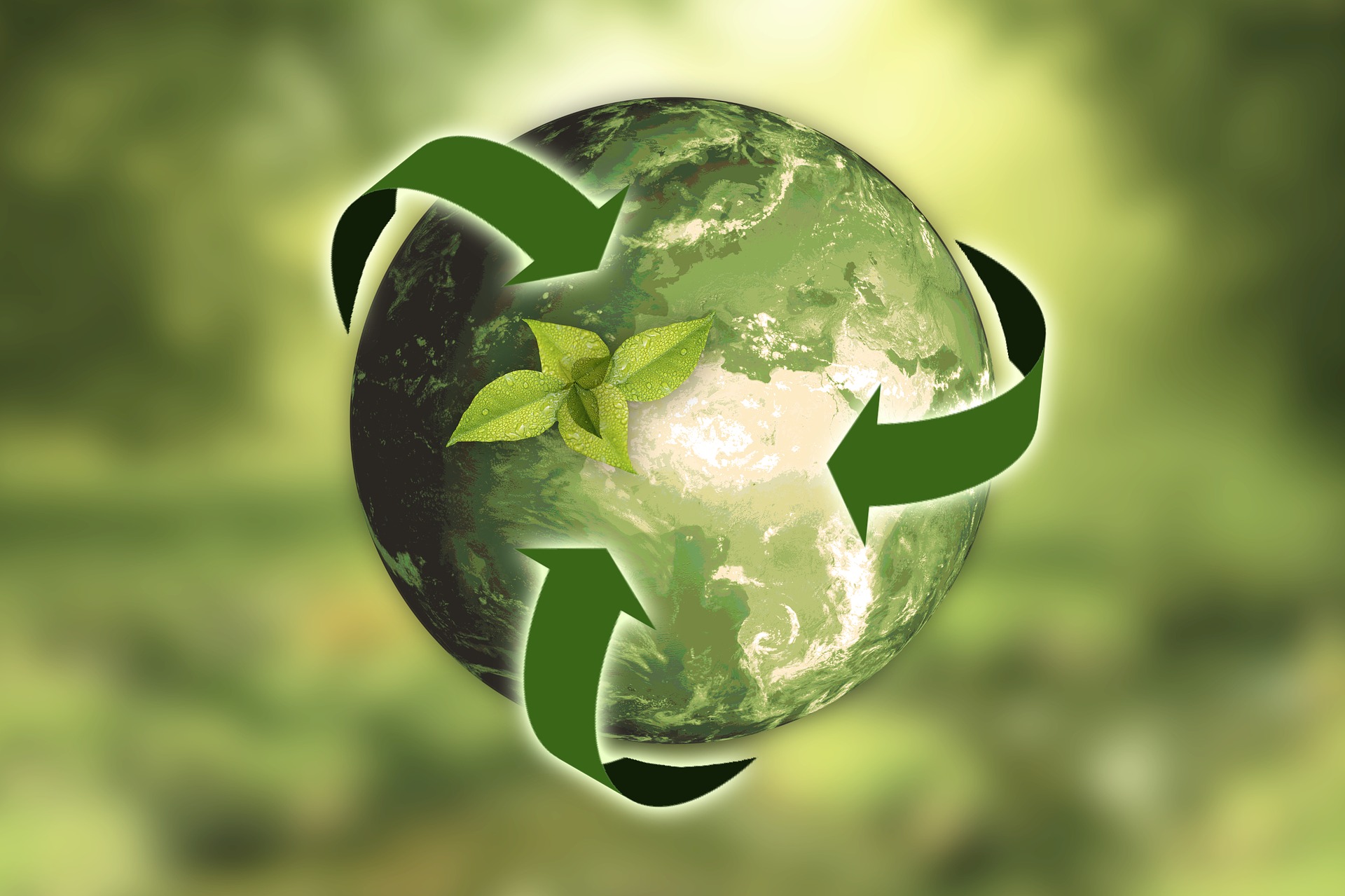
Resource Use Efficiency and Cleaner Production - High throughput of resources is not only putting pressure on the finite resources but is also harming the environment through generation and disposal of large volumes of wastes and emissions. Hence, countries are promoting adoption of resource-use-efficiency-and-cleaner production (RECP) practices in industries where less resources are used maximally for production of more outputs and with minimal generation of waste and emissions. Industries that have heeded the call and adapted RECP have reported reduced costs of production and waste management. In Kenya, however, many industries are yet to embrace RECP largely due to lack of awareness and technical capacity. Adoption of RECP and green manufacturing technologies will enable the country’s manufacturing sector to improve its productivity and competitiveness while incorporating a development pathway that is low-carbon, resource efficient, climate resilient and socially inclusive. The manufacturing sector’s switch to green manufacturing practices such as improved energy efficiency, water use efficiency, waste minimization and management will not only create sustainable green jobs but also divert waste from the highly polluting dumpsites.

Industrial Symbiosis - The traditional linear model of production where resources are mined from the environment, utilized in the production of goods and services, and resulting waste discarded into the environment is wasteful and is a major cause of environmental pollution and degradation. Hence, many industries are increasingly shifting to the more resource efficient and environmentally-friendly circular model of production where waste is considered as resource with value and can be exchanged with other industries for use as input material. Circular economies are vital to industrial competitiveness and productivity as the concept seeks to minimize negative impacts of manufacturing on the environment while helping to grow new revenue streams, reducing costs of operation, and increasing competitiveness. In Kenya however, industries at still at the circular economy awareness stage and technical assistance is important to help them start the transition.

Research and Development Activities in EREE-RC

  • ESCC-RC is dedicated to advancing research, technology development, and innovation in the fields of wastewater, air pollution (indoor and outdoor), resource use efficiency, circular economy and climate change. The center undertakes research in wastewater treatment, nutrients recovery, emissions and indoor air quality, resource use efficiency and circular economy and disseminate the findings to industries. It also engages in consultancy works on rain water harvesting and emissions testing in cookstoves, stacks, exhaust pipes and boilers.
  • Materials and energy flows assessments in industries to establish utilization efficiencies along various stages of production or processing lines and help implement appropriate efficient and clean solutions.
  • Promote product development that utilize renewable energy, less resources, low-carbon materials as production inputs in industries, and generate products with long shelf lives and are environmentally-friendly.
  • Consultancy services on resource-use-efficiency-and-cleaner-production (RECP) uptake in industries, carbon footprint determination and monitoring, green manufacturing technologies, and environmental impact assessments and audits for industrial projects. The training can be individualized, in groups, and on/off-site KIRDI premises.
  • Offer technical advisory support services to establish eco-industrial parks (EIPs) that are founded on resource-use-efficiency –and-cleaner production (RECP), waste and by-product exchange through industrial symbiosis; reduce, reuse, recycle, repurpose, remanufacture and refurbishing principles. Further, ESCC-RC support upcoming eco-industrial parks to embrace green and circular economy strategies that promotes higher renewable energy generation and use towards the achievement of carbon neutrality; invest in common infrastructure and service provision to help optimize the use of resources; keep materials and resources in use at the park level by encouraging tenant firms to create symbiotic networks that will enable waste and by-product exchanges; design waste out by encouraging tenant firms to integrate circular designs and to use environmentally-friendly technologies in their production facilities; fostering the establishment of recycling and sorting enterprises; rethinking business models for improved energy, water, and waste management at the park level; and harnessing digital technologies to help increase resource circularity and material exchanges.

CTCN

The Climate Technology Centre and Network (CTCN) facilitates the connection between countries and climate technology solutions, expediting development and technology transfers for low-carbon and climate-resilient initiatives at the demand of developing countries.

National Designated Entity (NDE)

KIRDI is the National Designated Entity in Kenya, Serving as National Focal Point on CTCN activities.

NDEs play a fundamental role in ensuring that requests submitted to the CTCN reflect their national circumstances and priorities. NDEs also ensure that support provided by the CTCN is well coordinated at the national level with other processes that address climate change. For example, they ensure the engagement of relevant ministries, focal points for other UNFCCC mechanisms, the private sector, civil society and academia as appropriate.

NDEs facilitate support to their countries from the CTCN by; 

  • Supporting the articulation and prioritization of requests and proposals.
  • Managing the national submission process of technical assistance requests to the CTCN
  • Identifying capacity building needs at the individual, institutional and organizational levels, as well as engaging in defining the most appropriate types of activities, target groups, scope, and key topics to be addressed. Assistance in defining further capacity building needs could be part of the support, along with identification of the best approaches to ensure sustainability and long-term availability of new capacity.
  • Engage representatives from national, provincial and local governments in the relevant process to guarantee feasibility of proposals developed at all levels.
  • Facilitate in-country activities such as training, capacity building and dissemination of information related to both the CTC and the Network.
  • Facilitate engagement of national organizations in the Network.
  • Participate in regional and global peer learning and collaborative projects conducted by the CTCN and where appropriate provide data and tools that the CTCN can share with other countries.
  • Coordinate with other national focal points of UNFCCC Mechanisms such as the Adaptation Fund’s Designated Authorities and National Implementing Entities; the Clean Development Mechanism’s
  • Designated National Authorities and the NAMA’s National Focal Points to enhance the effectiveness and scope of the CTCN interventions and leverage international funding for adaptation and mitigation activities.
  • Provide feedback to the CTC on the progress and results of CTCN projects within the country and the overall quality of CTCN assistance.

PROJECTS 

Please find a list of all projects that have received technical assistance from CTCN.

https://www.ctc-n.org/ctcn-countries/ke

LINKS

https://www.ctc-n.org/about-ctcn/nde

https://unfccc.int/ttclear/support/national-designated-entity.html